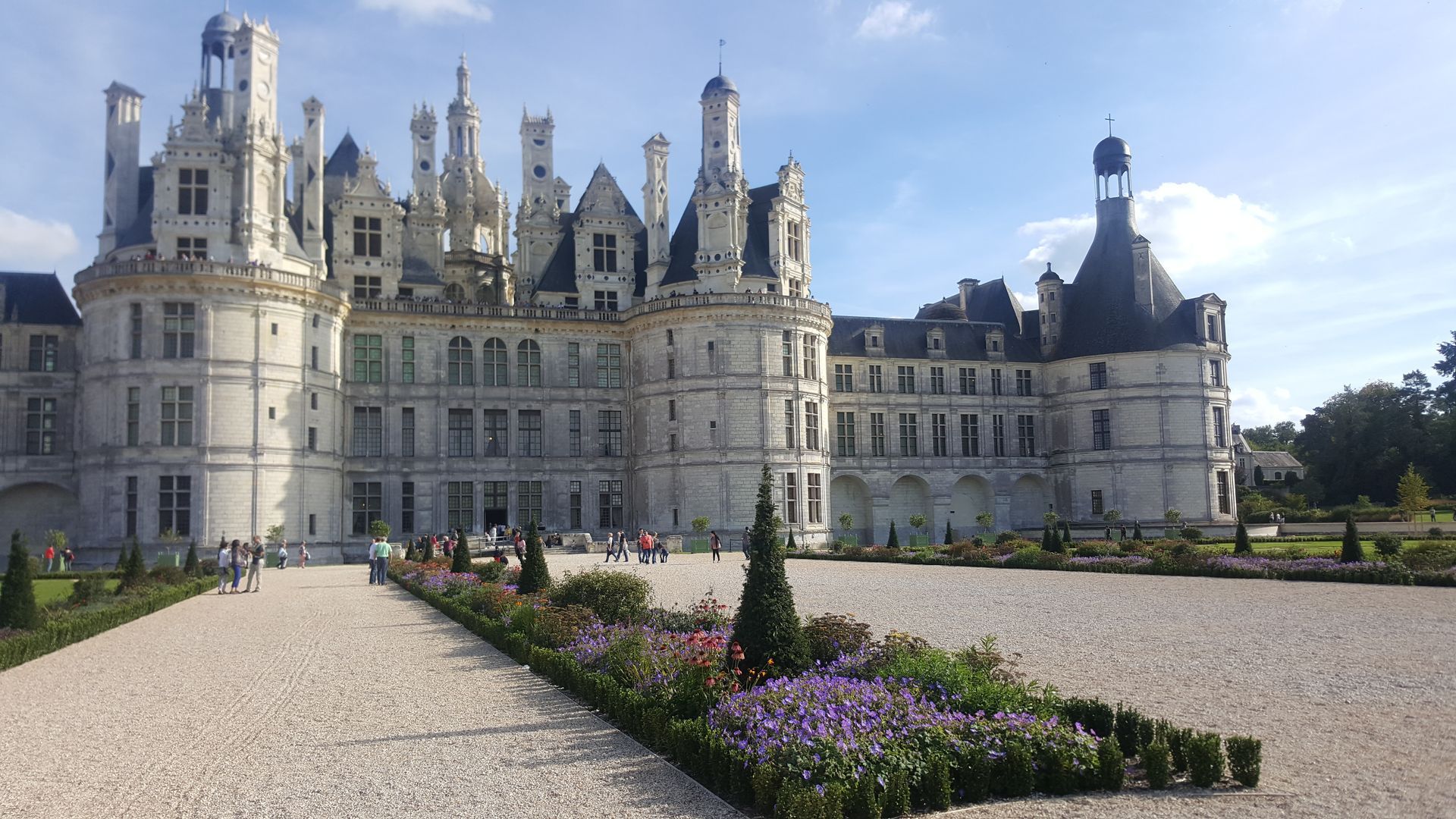
A guide to the Loire Valley chateaux most worth visiting, from Chambord and Chenonceau to quieter gardens, with honest advice on crowds and daily pacing.
What to wear in Paris in spring, summer, fall, and winter, with advice on walking shoes, layers, rain gear, dress codes, and bags that keep valuables safe.
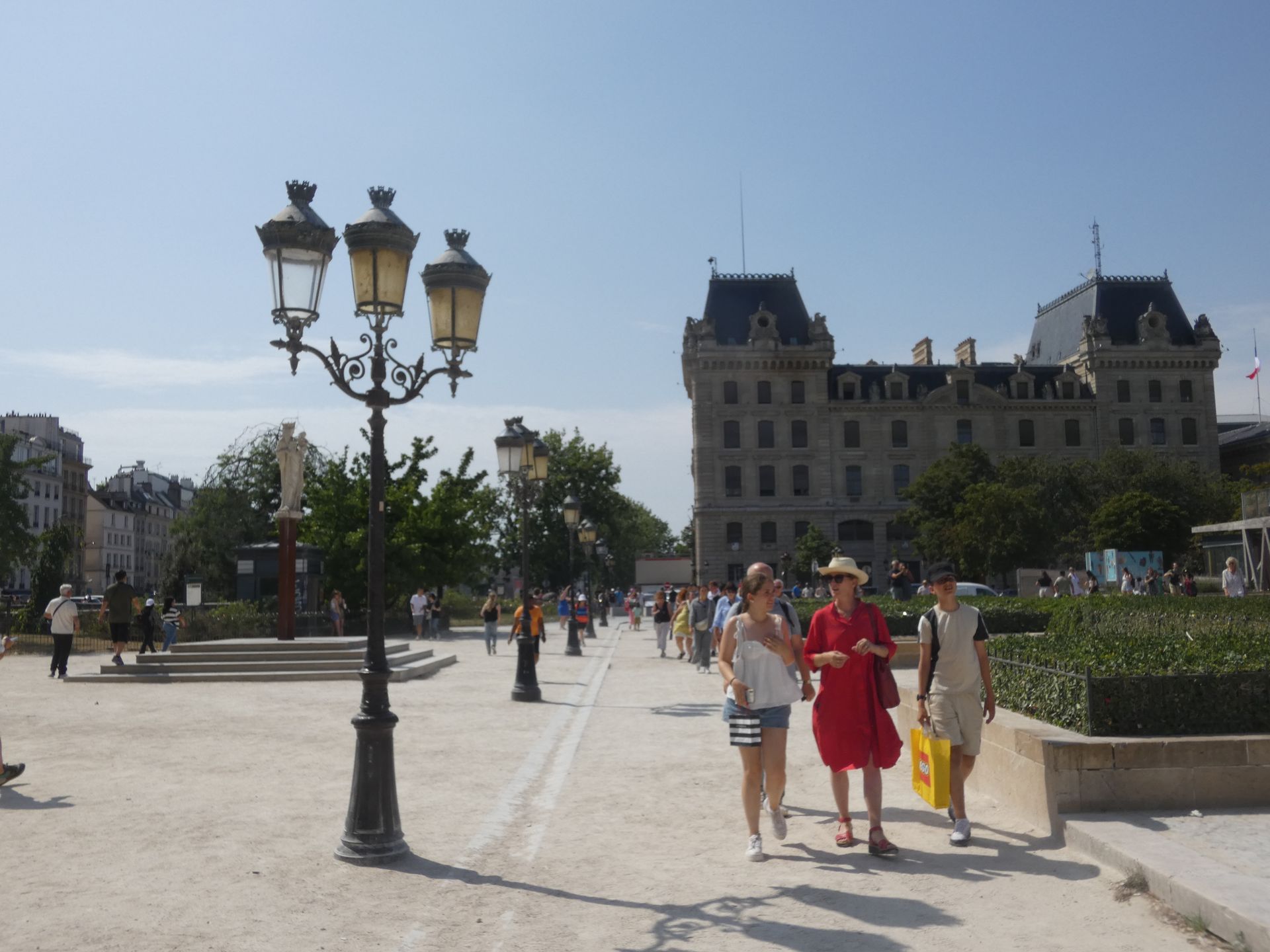
Paris is a city best enjoyed at your own pace—but on a first visit, it can be hard to know where to begin. Do you want to see the major landmarks in a few hours, wander through historic streets with a local, or explore independently with a digital guide? Here are four ways to discover Paris, each offering a different kind of first impression.
Do you tip in France? Learn what service compris means, when to round up, and how to thank waiters, drivers, hotel staff, and private guides with ease.
Paris at Christmas brings glowing avenues, festive store windows, and markets, along with short days, cold weather, and holiday closures to plan around.
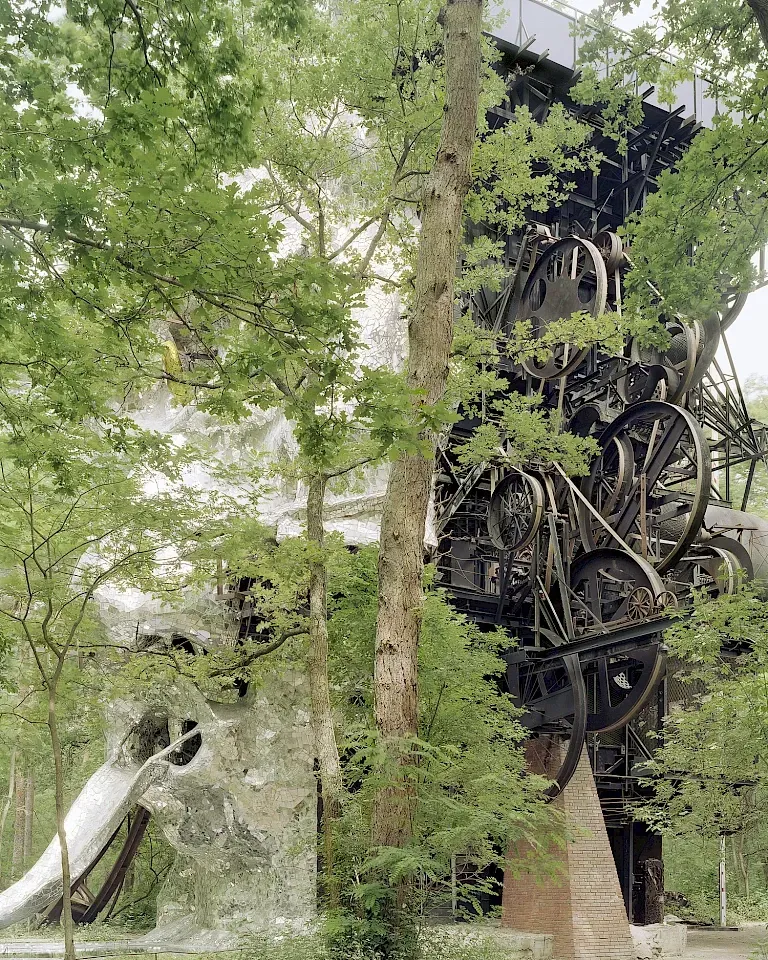
Fontainebleau: Where the Art of Yesterday Meets the Art of Today Just an hour from Paris, Fontainebleau offers a fascinating journey through the history of art. Here, the refined beauty of a royal château meets the bold imagination of contemporary creation. The Château de Fontainebleau and Le Cyclop , hidden in the nearby forest of Milly-la-Forêt, may seem to belong to two completely different worlds. Yet together, they tell the same story: art is always a reflection of its time—and a bridge between generations. The Château de Fontainebleau: Eight Centuries of Art and Power The Château de Fontainebleau is much more than a royal residence. It is a living record of French history, shaped by monarchs from the Middle Ages to the nineteenth century. Kings, queens and emperors transformed the palace according to their ambitions and artistic tastes, leaving behind an extraordinary collection of architecture, paintings, sculptures, furniture and decorative arts. The château reached a new level of splendour under King Francis I, one of the great patrons of the French Renaissance. Inspired by Italy, he invited leading Italian artists—including Rosso Fiorentino and Francesco Primaticcio—to decorate the palace. Their work gave birth to the School of Fontainebleau , a distinctive artistic movement combining Italian elegance, mythological imagery and French refinement. The Gallery of Francis I remains one of the château’s masterpieces. Its frescoes, carved woodwork and elaborate stucco decoration turn the walls into a theatrical celebration of royal power. Art was not simply ornamental: it conveyed political messages, expressed cultural ambition and helped create the image of the sovereign. Later rulers added their own artistic language. Henry IV expanded the palace, Louis XV introduced eighteenth-century elegance, and Napoleon I transformed Fontainebleau into an imperial residence. Walking through the château is therefore like moving through successive chapters of French art history—from Renaissance frescoes to royal apartments and Empire-style interiors.