Do you tip in France? It is one of the first questions American travelers ask, usually somewhere between landing at Charles de Gaulle and sitting down to a first lunch in Paris. The short answer is that tipping is welcome but not expected the way it is at home, because service is already built into the price.
That still leaves gray areas, from the taxi into town to the private guide who made your day at Versailles. This guide walks through each situation, so you can thank people the way the French do.
TLDR
- Tipping in France is optional and appreciated, never required or expected as in the US.
- Restaurant and cafe prices must include service by law, which is what service compris means.
- For good restaurant service, leaving a few euros or rounding up is a common thank you.
- At cafes and bars, small coins or rounding up the bill is more than enough.
- Taxi drivers appreciate a rounded-up fare, especially if they help with luggage.
- Private guides and chauffeurs on luxury tours are often tipped, but it stays discretionary.
- Carry small euro coins and notes, since many card terminals have no tip option.
Do You Tip in France?
Yes, you can, but you do not have to. In France, restaurant and cafe staff earn a regular wage, and the cost of service is already included in the prices on the menu. A tip, known as a pourboire, is a voluntary thank you for service that felt genuinely attentive, not a hidden part of the bill.
This is the biggest adjustment for American travelers. At home, a 20 percent tip is effectively part of a server's pay. In France, the arithmetic is different, and leaving a US-style percentage on every check is unnecessary. Neither approach is better; they simply reflect two ways of paying for service.
What Service Compris Really Means
Under French price display rules dating back to 1987, restaurants and cafes must show prices with service already included. When you see service compris on a menu or receipt, it means the service charge, commonly cited at around 15 percent, is part of the listed price. It is not a tip, and you are not being asked to add one.
Because the charge is built in, the total on your bill is the full amount you owe. Anything you leave on top is entirely your choice. A few useful terms to recognize at the table:
- Service compris: service is included in the price.
- Pourboire: a tip, given voluntarily on top of the bill.
- L'addition: the check, which you usually need to ask for, since lingering is welcome.
- Pourboire interdit: a sign some places use to say tips are not accepted.
Tipping at Restaurants, Cafes, and Bars
Most tipping questions come up over food and drink. The norm scales with the setting: almost nothing for a quick stop at the counter, a little more for a long and attentive meal. Here is how it works in each case.
Bistros and Fine Dining Restaurants
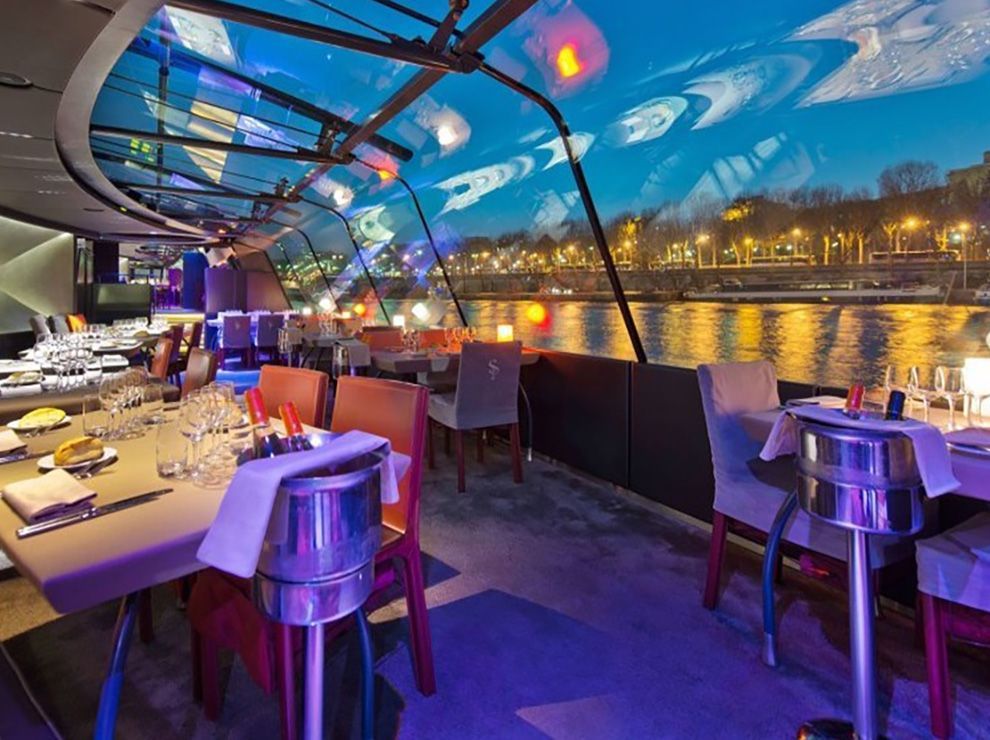
At a neighborhood bistro or brasserie, rounding up the bill or leaving a few euros for good service is a common, gracious gesture. If the meal was average or the service was brisk, leaving nothing extra is perfectly normal and will not cause offense. Tipping in France restaurants is about acknowledging care, not meeting a quota.
At a fine dining restaurant, where a team may look after your table for hours, guests often leave a little more for exceptional service. Travelers planning a meal among the Michelin-starred restaurants in Paris often ask whether the rules change at that level. They do not: service is still included, and any extra is a personal thank you.
Cafes and Quick Coffee Stops
A cafe is the most relaxed tipping situation in France. For an espresso at the counter, nothing is expected. If a server brings your coffee or a glass of wine to a terrace table, a few small coins on the saucer is a kind touch.
Rounding up to the next euro is the classic approach, and it is exactly what many French customers do.
Bars, Wine Bars, and Cocktails
Bars follow the same gentle logic. For drinks at the bar, rounding up or leaving small change is plenty. At a polished cocktail bar or a wine bar where the staff have guided you through an interesting list, leaving a little more is a nice way to show you noticed.
Sommeliers are generally thanked through the overall tip rather than separately, along with a sincere word of thanks.
Taxis, Rideshares, and Private Drivers
Do you tip a taxi in Paris? Not necessarily. Rounding up the fare to the next euro, or adding a euro or two when the driver helps with heavy luggage, is a common courtesy. It is appreciated, but no driver expects a percentage in the American sense.
Ride-hailing apps may offer an in-app tip option, which helps if you are not carrying cash. A private chauffeur hired for a full day is different. Because that driver has managed your schedule and the logistics of a long day, many travelers hand over a separate gratuity at the end, sized to how well the day went.
Hotels, Porters, and Concierge Staff
Luxury hotels are where American travelers most often feel unsure. Tipping is still optional, but it is appreciated by the people who make a stay feel effortless. Typical gestures include:
- Porters: a small tip per bag when they bring luggage to your room.
- Housekeeping: a few euros left at the end of the stay, with a short thank you note.
- Valet parking: a small tip when your car is brought around.
- Room service: usually included, so extra is optional.
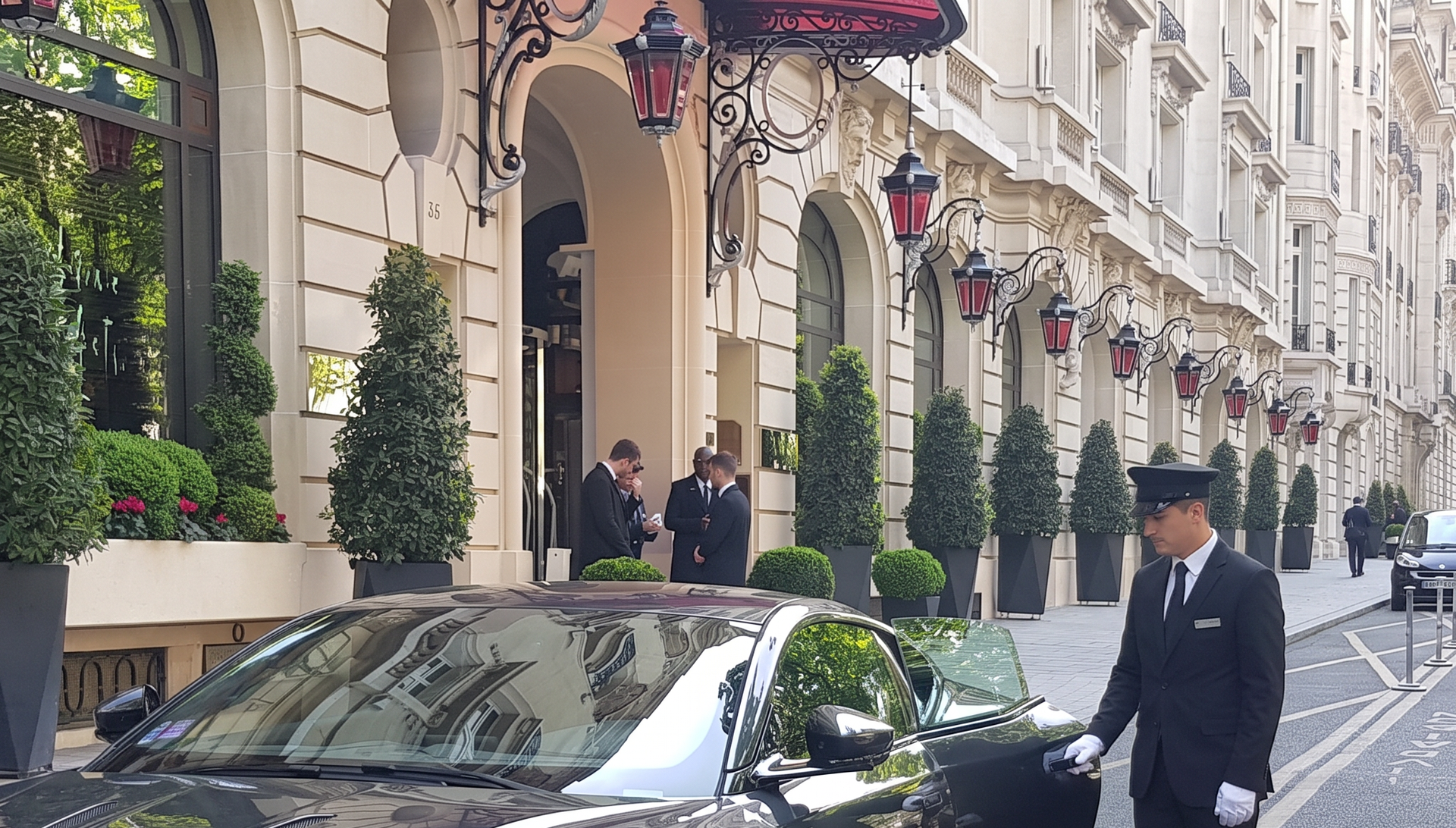
A concierge who secures a hard-to-get dinner table or rescues a last-minute plan is often thanked separately at the end of the stay. An envelope with a handwritten note is the most elegant way to do it.
Private Guides and Luxury Tours
Tipping a private guide or chauffeur on a luxury tour is customary in France, but it always remains your decision. A guide who has brought the Louvre to life, timed your visit to miss the crowds, or adapted the day around a tired child has gone well beyond the basics, and a gratuity is a natural way to recognize that.
There is no fixed formula. Many travelers simply decide what feels right for the quality of the day, and hand it over personally at the end, ideally in an envelope. If you are booking private guided tours in Paris as part of a package, check whether gratuities are already included so you are not tipping twice.
Spas, Salons, and Other Services
Personal services follow the same relaxed pattern. At a hairdresser, barber, or spa, a small tip for good work is welcome but not required. The same goes for food deliveries, where keeping the change or adding a euro is a friendly gesture.
Shops and boutiques do not expect a tip, and neither do most counter purchases at bakeries and markets. If you see a sign reading pourboire interdit, the business does not accept tips, so a warm merci is all you need.
How to Leave a Tip Gracefully
Knowing how to tip in France matters as much as knowing how much. A few habits make it easy and natural:
- Carry small euro coins and a few low-value notes, since cash is the easiest way to tip.
- Expect many card terminals to have no tip option, so plan to leave cash on top of a card payment.
- Leave coins on the table or saucer as you go, or hand a tip directly to the person who served you.
- Pair every tip with a warm merci, which matters more to many people than the amount.
- Never feel pressured: if service was ordinary, leaving nothing extra is completely acceptable.
On a private itinerary, much of the guesswork disappears. Working with experienced France travel designers means you can ask in advance which gratuities are included, which are customary, and how to handle them discreetly along the way.
Ready to Travel France With Ease?
In France, a tip is a thank you rather than a duty. Service is already included in the price, so a few euros for genuinely good service, a rounded-up taxi fare, and a thoughtful envelope for a guide who made your day are all you need to travel gracefully.
If you would like a trip where the small details are handled for you, sharing your plans with a France trip planning specialist is a simple first step. We can build private guides, chauffeurs, and reservations around how you like to travel, so every thank you along the way feels easy and natural.