Knowing what to wear in Paris is less about following fashion rules and more about dressing for the way the city is lived. You will walk more than you expect, cross cobblestones and climb metro stairs, step from cool museums into warm sunshine, and move from a casual lunch to an elegant dinner in the same day. The right wardrobe makes all of that feel easy.
This guide covers the Parisian look, what to pack for each season, the shoes that matter most, and the few dress codes worth knowing.
TLDR
- Parisians favor a polished casual look: neutral colors, good fit, quality outerwear, and neat shoes.
- Paris weather is changeable in every season, so layers are the most useful thing you can pack.
- Spring and autumn call for a light coat, knitwear, and an umbrella; summer calls for breathable fabrics.
- Winter is cold and damp, so pack a warm coat, gloves, and waterproof boots with good grip.
- Comfortable, broken in shoes matter more than anything else on cobblestones and metro stairs.
- Cover shoulders in churches, and bring one smarter outfit for fine dining, palace hotels, and the opera.
- A zipped crossbody bag worn in front keeps valuables secure in busy areas and on the metro.
How Parisians Actually Dress Day to Day
The Parisian look is quieter than many visitors expect. Think well fitted jeans or tailored trousers, a crisp shirt or fine knit, a good coat, and clean leather shoes. Colors lean toward navy, black, gray, camel, and white, with a scarf or a single accessory doing most of the talking.
What ties it together is ease. Clothes look considered without looking fussy, and comfort is built in because the city is walked, not driven.
- A versatile coat: a trench in spring and autumn, a wool coat in winter.
- Two or three neutral tops that pair with everything you pack.
- Dark jeans or tailored trousers that work from day into evening.
- One smarter outfit for fine dining or a performance.
- A light scarf, useful for warmth, style, and covering shoulders in churches.
What to Wear in Paris by Season
Paris has a mild climate overall, but the weather can change quickly in any season. Rain falls fairly evenly through the year, so a compact umbrella earns its place in every suitcase.
The common thread is layering: pieces you can add or remove as you move between the street, the metro, and heated or air conditioned interiors.
Layers for Changeable Spring Days
Spring in Paris is mild but unpredictable. Mornings can feel cool, afternoons are often pleasant, and showers arrive with little warning.
A classic trench or light water resistant jacket is the most useful piece you can pack, worn over a sweater. Add a scarf, closed toe shoes that handle wet pavement, and an umbrella. By late May, lighter layers usually take over.
Light Fabrics for Summer Heat
Summer days are usually warm and pleasant, with long light evenings. Paris can also see heat waves, and many older buildings and some metro lines are not air conditioned, so breathable fabrics matter.
Pack linen and cotton shirts, light dresses, and airy trousers for sightseeing, plus sunglasses, sunscreen, and a hat. A light layer helps on cooler evenings and doubles as a shoulder cover in churches.
Smart Layers for Autumn Weather
Autumn starts gently, with September often feeling like a mild extension of summer. October brings cooler days and crisp mornings, while November turns noticeably colder and wetter.
If you are wondering what to wear in Paris in October, think mid weight layers: a trench or light wool coat, sweaters, a scarf, and water resistant ankle boots or leather sneakers. A warmer coat and gloves become useful by November. For timing your visit around the season's events and quieter museums, a luxury guide to autumn in Paris offers more seasonal planning ideas.
Warm Coats for Winter Days
Winter in Paris is cold, damp, and often gray, with short days and temperatures that can dip near freezing at night. Snow falls in some years but rarely settles for long.
A warm wool or down coat is essential. Layer thin thermal tops under sweaters so you can shed a layer indoors, and pack gloves, a hat, and a scarf. Waterproof boots with good grip handle wet cobblestones better than smooth soles.
Shoes for Cobblestones and Metro Stairs
If you pack only one thing carefully, make it your shoes. A day in Paris can include miles of walking, uneven cobblestones, long museum corridors, and many flights of metro stairs.

The best shoes for walking in Paris are ones you have already broken in at home. Leather sneakers, supportive loafers, and low ankle boots all look at home in the city. Block heels work for evenings, while thin heels struggle on cobbled streets.
Day trips deserve the same thought. The gardens at Versailles are vast, with long gravel paths between the fountains and groves, so comfortable shoes are a must even on private Versailles palace tours with a chauffeur waiting at the gate.
Dress Codes Worth Knowing in Paris
Formal dress rules are rare in Paris, but a little forethought helps in three situations: places of worship, fine dining and palace hotels, and evenings at the opera or a show.
Churches and Other Sacred Sites
Churches such as Notre-Dame, Sacre-Coeur, and Sainte-Chapelle are places of worship as well as landmarks. Visitors are expected to dress respectfully, which generally means covering shoulders and avoiding very short shorts or skirts.
In summer, the simplest solution is a light scarf or cardigan in your bag that you can slip on at the door.
Fine Dining and Palace Hotels
Strict jacket requirements are uncommon in Paris restaurants today, but smart attire is expected at fine dining tables and in palace hotel bars. Athletic wear and flip flops will feel out of place.

A versatile outfit covers almost every occasion: tailored trousers or a dark skirt, a good shirt or blouse, a blazer or elegant knit, and polished shoes. The same look works for a long lunch on wine and gastronomy experiences as well as an evening tasting menu, so it earns its place in your suitcase.
Opera and Evening Performances
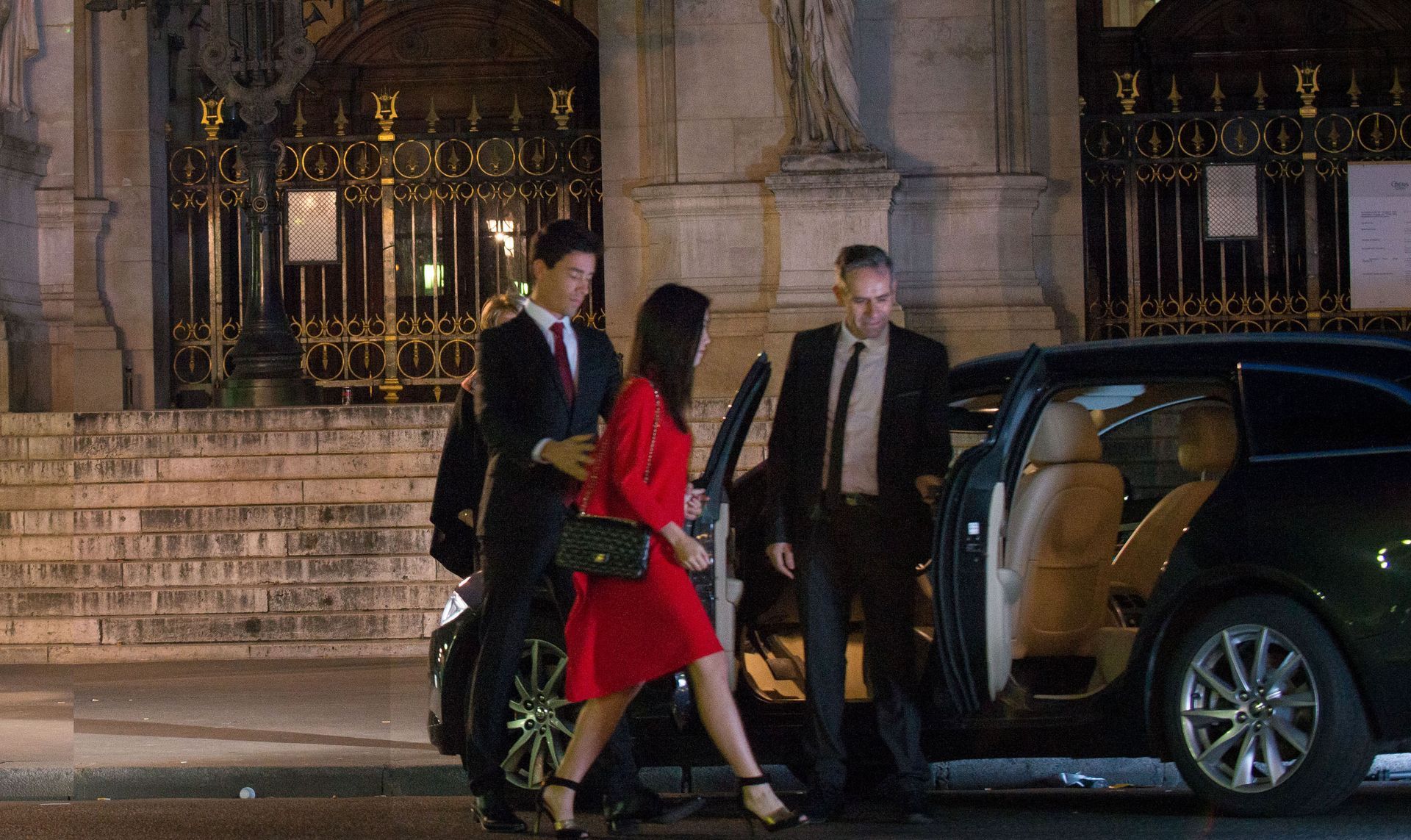
The Paris opera houses do not generally enforce a formal dress code, and audiences dress in a range of styles. Many guests still enjoy dressing up for evening performances at the Palais Garnier, where the grand staircase invites a little occasion.
A cocktail dress, an elegant jumpsuit, or a jacket with or without a tie all fit comfortably. Choose shoes you can manage on stairs.
Bags and Accessories That Travel Well
Paris is generally safe, but pickpockets do operate in crowded places such as major landmarks, busy metro lines, and popular shopping streets. The right bag removes most of the risk without spoiling your look.
Choose a zipped crossbody bag worn in front of you, and avoid open totes or back pockets. Carry only the cards and cash you need for the day, and keep your phone in your bag rather than on a cafe table.
- A zipped crossbody bag or a slim belt bag worn in front.
- A compact umbrella that fits inside your day bag.
- A light scarf for warmth, sun, and church visits.
- A portable phone charger for long days of maps and photos.
What You Can Leave at Home
Packing light makes Paris easier, especially in older hotels with small elevators. Brand new shoes are best left at home, since there is no worse place to break them in. Very high heels and a separate outfit for every day can usually stay behind too.
Athletic wear is fine for a morning run along the river, though most travelers feel more comfortable in everyday clothes for museums and dining. Above all, wear what makes you feel confident.
Ready to Pack for Paris?
What to wear in Paris comes down to layers for changeable weather, shoes made for walking, one smarter outfit for evenings, and a secure bag for busy streets.
If you would like your days planned around the season too, sharing your dates and interests with a personal Paris trip designer is an easy place to start. We can build the walks, dinners, and evenings around how you like to travel, so you always know what the day ahead calls for.