Bordeaux is not one wine country but two, divided by the wide Gironde estuary and the rivers that feed it. On one side lies the Medoc, home to the grand chateaux of the Left Bank. On the other sits Saint-Emilion, the heart of the Right Bank and one of the most beautiful wine villages in France.
For a traveler, understanding that split is the key to planning a good trip. This guide explains how the two banks differ, what to expect from a visit to each, and how to think about tastings, timing, and access so your days in the Bordeaux wine region are spent well.
TLDR
- Bordeaux divides into the Left Bank and the Right Bank, split by the Gironde estuary and its rivers.
- The Medoc, on the Left Bank, is known for gravel soils and Cabernet Sauvignon led blends.
- Saint-Emilion, on the Right Bank, is known for Merlot led wines and a medieval UNESCO listed village.
- The 1855 classification ranks many of the famous Medoc estates.
- Most top chateaux require advance appointments, so visits need planning.
- A few days based near the city of Bordeaux is usually enough to see both banks.
- Late spring and early fall bring the mildest weather, while harvest in early fall is atmospheric but busy.
Understanding the Bordeaux Wine Region
The first thing to grasp about Bordeaux is the geography. The Gironde estuary and the Dordogne and Garonne rivers split the region into two, and that division shapes almost everything in the glass. The Left Bank and the Right Bank sit only a short drive apart, yet they grow different grapes on different soils and produce quite different wines.
Holding that simple map in mind makes the rest of a trip fall into place. When someone talks about the Medoc, they mean the Left Bank and its gravel terraces. When they mention Saint-Emilion or Pomerol, they mean the Right Bank and its limestone and clay. Knowing which side you are on tells you a great deal about what you are about to taste.
The Medoc and the Left Bank
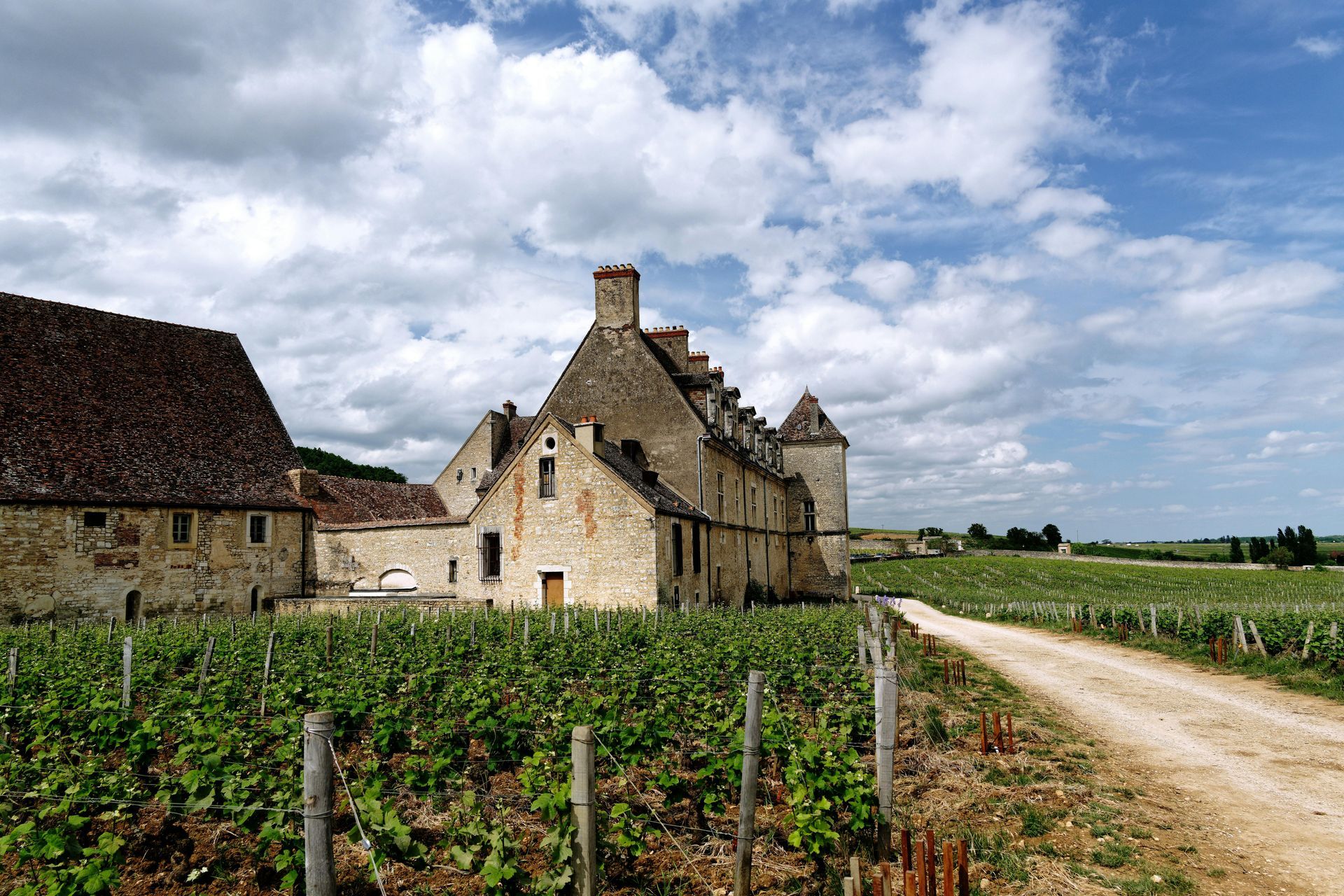
The Medoc runs north from the city of Bordeaux along the Left Bank, its gravel soils holding the heat that Cabernet Sauvignon needs to ripen. This is the land of the grand chateaux, many of them ranked in the famous 1855 classification, with long driveways, formal facades, and cellars full of barrels.
Visits here tend to feel stately, and the most sought after estates open their doors by appointment only. Arranging private bordeaux chateau visits in advance is the difference between admiring the gates from the road and tasting in the cellar with someone who knows the wine.
Saint-Emilion and the Right Bank
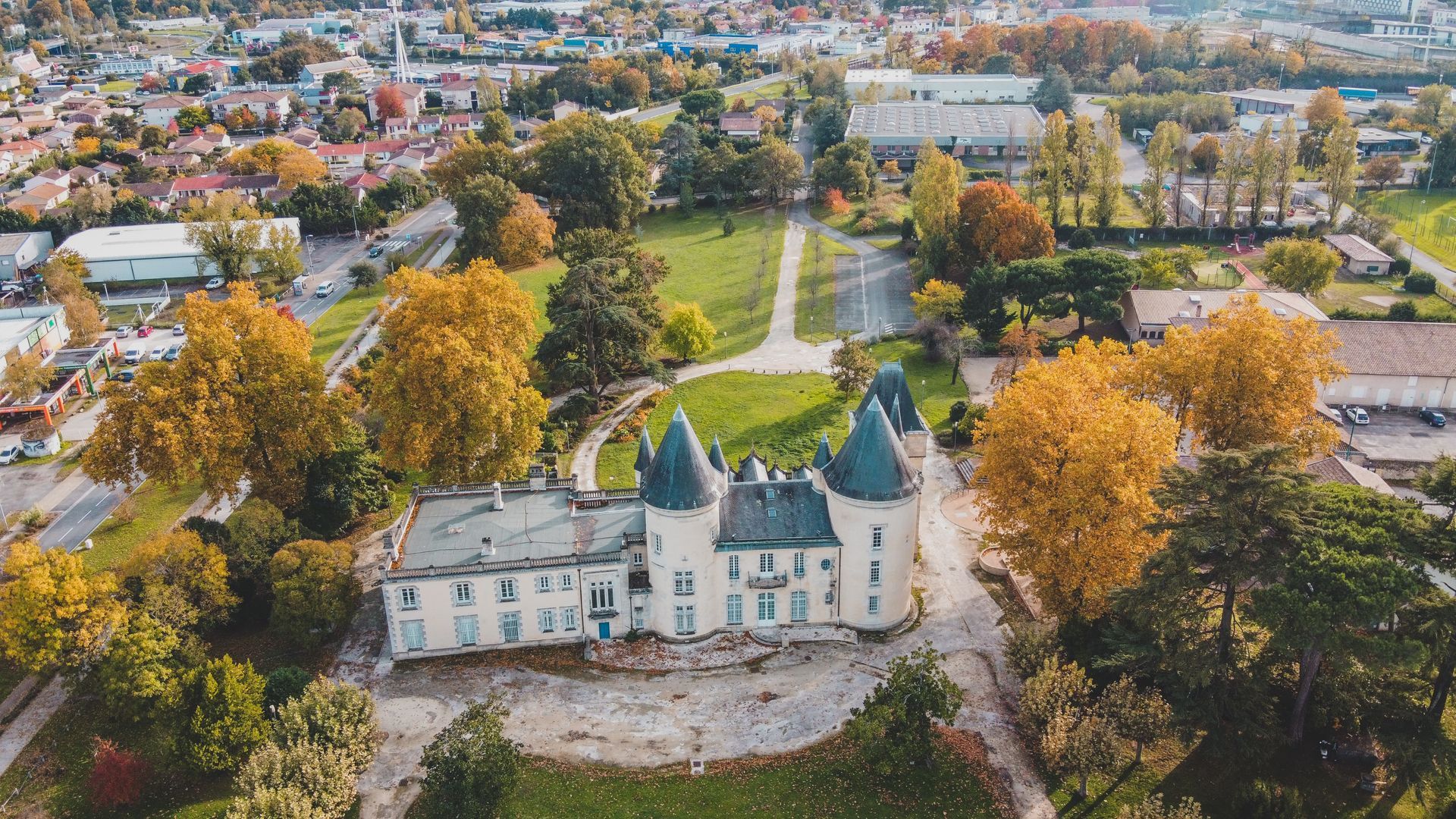
Cross to the Right Bank and the mood changes. Saint-Emilion is built around a medieval village of honey colored stone, its lanes winding past a rare underground church and out into vineyards planted on limestone and clay. Here Merlot leads the blends, giving wines that are often rounder and more approachable in their youth.
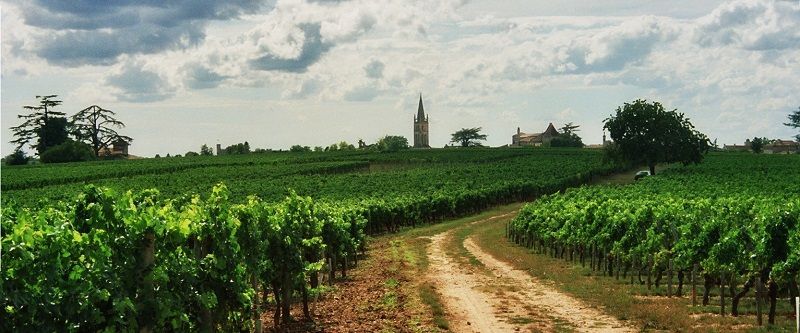
The scale is more intimate than the Medoc, with many family run estates alongside the famous names. A day built around medoc and saint emilion tasting lets you feel the contrast directly, moving from the grand Left Bank properties to the village and its surrounding slopes.
How the Two Banks Compare
For a traveler deciding how to spend their time, a few clear differences help. Neither bank is better than the other, but they offer different experiences, and knowing which appeals to you shapes the trip.
- Grapes: the Medoc leans on Cabernet Sauvignon, while Saint-Emilion and the Right Bank lean on Merlot.
- Soils: gravel on the Left Bank, limestone and clay on the Right Bank.
- Style: Left Bank wines are often firmer and built to age, Right Bank wines often rounder and more approachable young.
- Feel of a visit: grand estates and formal tastings in the Medoc, intimate villages and family properties around Saint-Emilion.
Tastings, Chateaux and Access
Tasting in Bordeaux is rarely a matter of walking in off the road. Most serious estates receive visitors by appointment, often in small groups or private sessions that include a walk through the vines, a look at the cellar, and a tasting of current and older vintages. Booking ahead is essential, especially in peak months.
This is where local connections earn their place. Our private tastings and food experiences can open estates that are hard to reach independently, and pair the tastings with lunches that show how Bordeaux wine sits alongside the region's food.
How Many Days You Need
To see both banks without rushing, plan on a few days based in or near the city of Bordeaux, which sits within easy reach of the Medoc to the north and Saint-Emilion to the east. The city itself deserves at least a day, with its riverfront, restaurants, and wine museum.
How long you stay depends on how many estates you want to visit. Two or three well chosen appointments a day is a comfortable pace, leaving room for lunch and the drives between properties. Trying to cram in more usually means tasting a great deal while seeing very little.
Best Time to Visit Bordeaux
Late spring and early fall are the most comfortable times to visit, with mild weather and the vineyards in full leaf. Early fall also brings the harvest, which is atmospheric and full of energy, though the estates are busy with work and can be harder to book. Summer is warm and green but increasingly hot.
Winter is the quietest season, with bare vines and fewer estates open to visitors, though the ones that do receive guests can feel wonderfully unhurried. Because the harvest shifts with the weather each year, it is worth confirming timing close to the trip rather than assuming a fixed week.
Ready to Plan Your Bordeaux Wine Journey?
Bordeaux rewards travelers who understand its two halves and plan their access carefully. Seen with a little knowledge and the right introductions, the region opens up from a wall of famous labels into a warm and welcoming wine country of cellars, villages, and long lunches among the vines.
Because the finest estates are so often appointment only, the easiest way to open those doors is to talk to a travel designer who can arrange the visits, the timing, and the drives around the wines you most want to taste.